Source Electronic Keypad Smart Lock for Home, Hotel, and Office
Explore 30 electronic keypad smart lock options tailored for residential, commercial, and industrial applications. Compare features like touch screen interfaces, zinc alloy construction, and battery power to find the right security solution for your needs; compare the available evidence and request quotations based on your requirements.
Key considerations
Products List




Comprehensive Sourcing Guide
Electronic Keypad Smart Lock Sourcing Guide
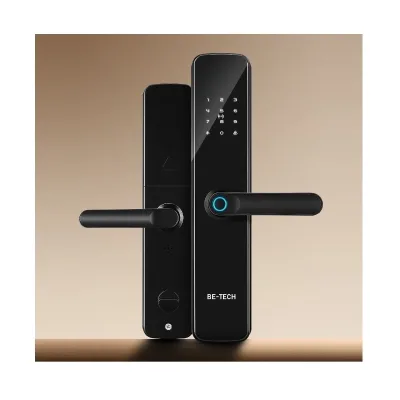
Sourcing electronic keypad smart locks requires a disciplined approach to balancing digital convenience with physical security integrity. Buyers must navigate a market where product attributes vary significantly across models, ranging from zinc alloy constructions to aluminum alloy bodies. The observed product landscape includes diverse form factors, such as mortise door locks, electric bolts, and specialized safe locks, each serving distinct operational needs. Understanding these variations is critical for aligning procurement with specific architectural or industrial requirements.
This guide provides evidence-based procurement strategies for buyers evaluating electronic keypad solutions. It focuses on verifying technical specifications, ensuring compliance with safety standards, and managing commercial terms effectively. By adhering to structured verification steps, procurement teams can mitigate risks associated with incompatible door thicknesses, unreliable power supplies, or inadequate anti-theft ratings. The following sections detail the essential checks required to secure high-quality, reliable locking mechanisms for residential, commercial, and industrial applications.
Product Scope and Observed Listing Signals
The current market offers a wide array of electronic keypad smart locks tailored for various environments, including households, commercial buildings, hotels, and industrial facilities. Observed listings indicate that these devices are suitable for home doors, safes, and general entry points, with usage spanning from simple residential access to complex community or campus security systems. The diversity in application suggests that buyers must carefully match the lock’s intended use with its physical design and functional capabilities to ensure optimal performance in their specific setting.
Product attributes reveal significant variation in design and customization options. Many models feature touch screen interfaces and modern or European styles, available in colors like black or silver. Customization is widely available, allowing buyers to tailor products to brand identities or specific security protocols. However, not all listed products share the same features; for instance, some are designed as single-lever locking mechanisms, while others utilize electronically controlled lock principles. Buyers should treat these attributes as observations of specific models rather than universal standards for all electronic keypad smart locks.
Technical Specifications to Verify
Verifying physical compatibility is the first critical step in the procurement process. Buyers must confirm that the lock body shape and dimensions fit the target door or safe, with observed specifications indicating available thicknesses ranging from 35mm to 55mm. The backset measurement, often cited as 60mm for certain mortise locks, must align with existing door preparations to avoid costly modifications. Additionally, the part type, whether a key, lock body, or complete assembly, must be clearly defined to ensure the procurement matches the installation requirements and avoids missing components during setup.
Power supply and operational principles are equally vital for long-term reliability. Some models operate on 4PCS AA batteries, requiring buyers to consider battery life and replacement logistics. Others may rely on different power sources or electronically controlled mechanisms. The working principle, such as single lever locking or electric bolt functionality, dictates the user experience and security level. Buyers should verify these technical details against their operational needs, ensuring that the chosen model supports the required access control frequency and environmental conditions without frequent maintenance or power failures.
Compliance and Safety Documentation
Compliance with regional and international standards is non-negotiable for electronic security devices. Buyers must request and verify certifications such as CE and RoHS, which indicate adherence to health, safety, and environmental protection standards. These certifications are crucial for importing products into regulated markets and ensuring that the electronic components do not pose risks to users or the environment. Without proper documentation, buyers risk facing customs delays, product recalls, or legal liabilities associated with non-compliant electronic goods.
Anti-theft standards and material quality further define the security profile of the lock. Observed data mentions an Anti-theft Standard of A for certain models, which serves as a benchmark for resistance against forced entry. Buyers should inquire about the specific testing protocols used to determine this rating and ensure it meets local security regulations. Additionally, the material composition, such as zinc alloy or aluminum alloy, impacts durability and corrosion resistance. Verifying these aspects ensures that the lock provides the promised level of protection and withstands long-term use in various weather conditions.
Cost Drivers and Commercial Terms
Pricing in the electronic keypad smart lock market varies widely, with observed ranges from $5 to $76.1 USD, reflecting differences in material quality, feature sets, and brand positioning. Buyers should analyze cost drivers such as the inclusion of touch screens, customization options, and the complexity of the locking mechanism. Higher prices often correlate with enhanced security features, durable materials like zinc alloy, and comprehensive packaging solutions. Understanding these factors helps buyers allocate budgets effectively and avoid overpaying for unnecessary features or underinvesting in critical security components.
Minimum Order Quantities (MOQ) and delivery times significantly impact procurement planning. Observed MOQs range from 1 to 1000 units, offering flexibility for both small-scale projects and large-scale deployments. Delivery times are typically cited as 15-21 days, which buyers must factor into their supply chain schedules. Packaging standards, such as cardboard boxes or standard export packing, also influence logistics costs and product protection during transit. Clear communication of these commercial terms with suppliers ensures accurate total cost of ownership calculations and prevents unexpected delays or expenses.
Supplier Qualification and Quality Control
Supplier qualification begins with verifying the origin and manufacturing capabilities of the provider. Observed data indicates origins in China, including specific regions like Fujian, Fuzhou, and Jiangxi, which are known for hardware manufacturing. Buyers should assess the supplier’s production capacity, quality control processes, and ability to meet customization requests. Requesting samples is essential to evaluate the build quality, finish, and functionality of the lock before committing to larger orders. This step helps identify potential issues with material consistency or electronic component reliability.
Quality control extends to inspecting the product’s physical attributes and packaging integrity. Buyers should verify that the product model numbers, such as MX-F270 or D65, match the ordered specifications and that the body finish, like chrome-plated surfaces, meets aesthetic and durability expectations. Standard export packing ensures that products arrive undamaged, reducing the risk of returns or disputes. Establishing clear quality acceptance criteria with the supplier, including visual inspections and functional tests, helps maintain consistency across batches and ensures that every unit meets the required security and performance standards.
Long-Term Procurement Checks
Long-term success in sourcing electronic keypad smart locks depends on establishing robust supplier relationships and continuous performance monitoring. Buyers should implement regular audits of supplier quality control processes and review feedback from end-users regarding lock reliability and ease of use. Tracking metrics such as defect rates, battery life, and customer support responsiveness provides valuable insights into the supplier’s commitment to quality. These checks help identify potential issues early, allowing for corrective actions before they impact large-scale deployments or customer satisfaction.
Adapting to technological advancements and changing security needs is crucial for maintaining a competitive edge. Buyers should stay informed about emerging trends in electronic keypad technology, such as improved encryption methods or integration with smart home systems. Regularly reviewing product specifications and certifications ensures that the sourced locks remain compliant with evolving regulations and security standards. By maintaining a proactive approach to supplier management and technology evaluation, buyers can secure a reliable supply of high-quality electronic keypad smart locks that meet their long-term security objectives.
FAQs
What power supply options are available for these electronic keypad smart locks?
The electronic keypad smart locks typically operate using 4 AA batteries, ensuring reliable performance without complex wiring. This battery-powered design allows for easy installation in various settings, including home doors and safes. The power system is designed to be energy-efficient, providing long-lasting operation for both household and commercial applications without frequent maintenance.
Which door thicknesses fit these electronic keypad smart locks?
These electronic keypad smart locks are designed to fit door thicknesses ranging from 35mm to 55mm. This versatile specification accommodates a wide variety of standard doors, including mortise door locks and safe installations. Buyers should verify their specific door measurements against this range to ensure a proper fit for models like the MX-F270 or D65 series.
Can these electronic keypad smart locks be customized for specific needs?
Yes, customization is available for these electronic keypad smart locks to meet specific project requirements. Buyers can request tailored solutions for different usage scenarios, such as household, industrial, or commercial applications. The customization options allow for adjustments in design and functionality, ensuring the lock integrates seamlessly into various environments like hotels, warehouses, or community entrances.
What certifications do these electronic keypad smart locks hold?
These electronic keypad smart locks hold CE and RoHS certifications, ensuring compliance with international safety and environmental standards. These certifications indicate that the products meet rigorous quality and regulatory requirements for the European market and beyond. Buyers can rely on these credentials for assurance of product safety, material compliance, and adherence to established industry norms for electronic locking systems.
What is the typical delivery time for these electronic keypad smart locks?
The typical delivery time for these electronic keypad smart locks is 15 to 21 days. This lead time applies to standard orders and allows for production and quality checks before shipment. Buyers should plan their procurement schedules accordingly, considering this timeframe for both domestic and international shipping logistics to ensure timely installation and project completion.
What materials are used in the construction of these electronic keypad smart locks?
These electronic keypad smart locks are constructed from durable materials such as zinc alloy and aluminum alloy. The zinc alloy components provide robust security and resistance to wear, while aluminum alloy parts offer lightweight strength. These materials ensure longevity and reliability in various environments, from household doors to commercial facilities, maintaining structural integrity under frequent use.